Sunday, July 16, 2006

alaskan adventure

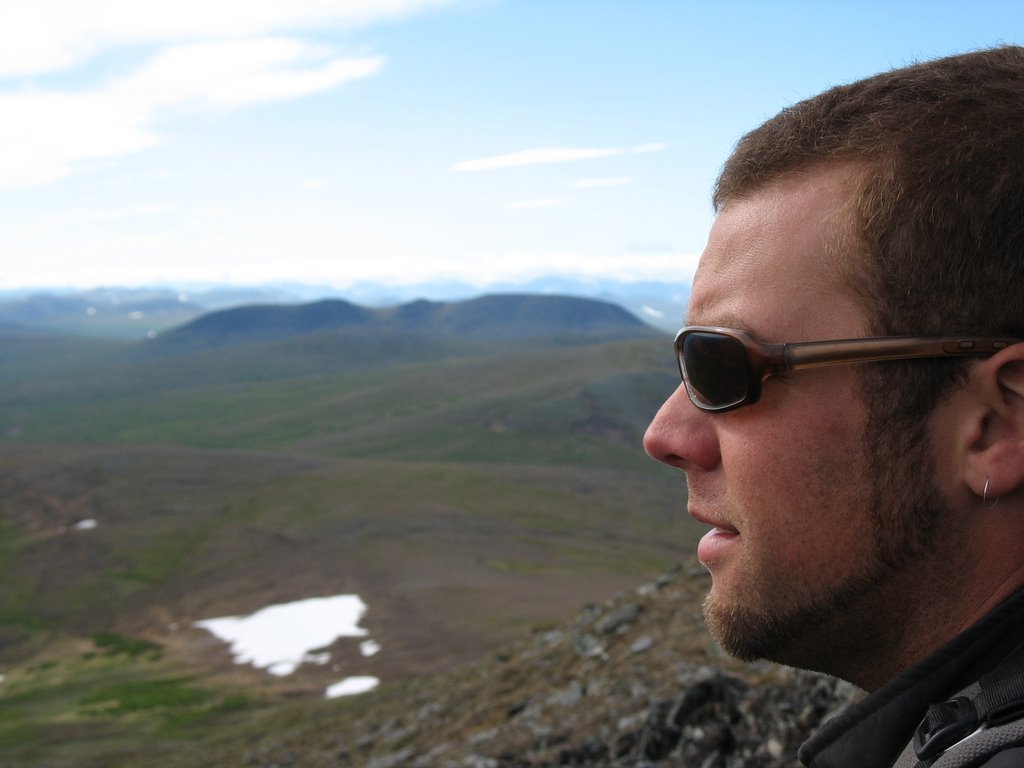
heres a gallery from my field season in nome, alaska working with the institute for bird populations studying the movement of the avian flu in asian migrants in western alaska. the study species was the eastern yellow wagtail, a summer visitor and breeder in the western arctic of alaska. we focused on this species because of its dense wintering populations in southeast asia their proximity to domestic livestock ie they follow cattle around feasting on the insects that are rustled. the flu sampling we did involved capturing the elusive birds in nests (see below) and sticking a qtip in their hoo hoos!! ouch. hope you enjoy


typical landscape around nome, alaska, flat coastal plains with long, rounded mountains. but there arent always rusting trains. this is the train to nowhere, a remnant of the gold rush.


nome was used as a radar station during the cold war, heres a reminder of the standoff on anvil mountain
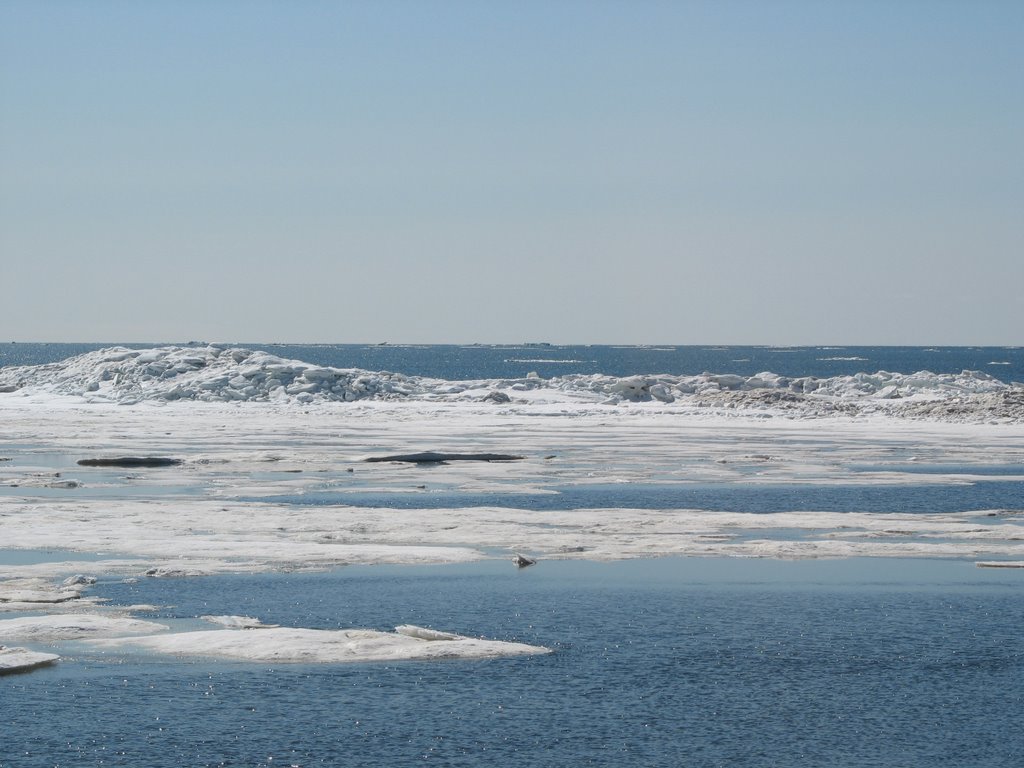


upon arrival in late may we found 200 yards of thick pack ice and spring decided to stay away for another 3 weeks


training in may was a cold ordeal, riding in the bed of a pickup in 30 degree weather was invigorating.
me, melissa, jimmy, dr sarracco


this is the general passive net setup. the ultra-thin mesh net between two poles and a remote playback recorder in the middle to draw the birds in.


here's our hero with a female eastern yellow wagtail. processing a bird inside the "orange bomber" (our suburban). notice the unsuspecting look on this bird's face, just before the Q-tip is inserted. then she's released into the cold night air without so much as dinner or a movie.


the big bossman (dr desante) with a male wagtail
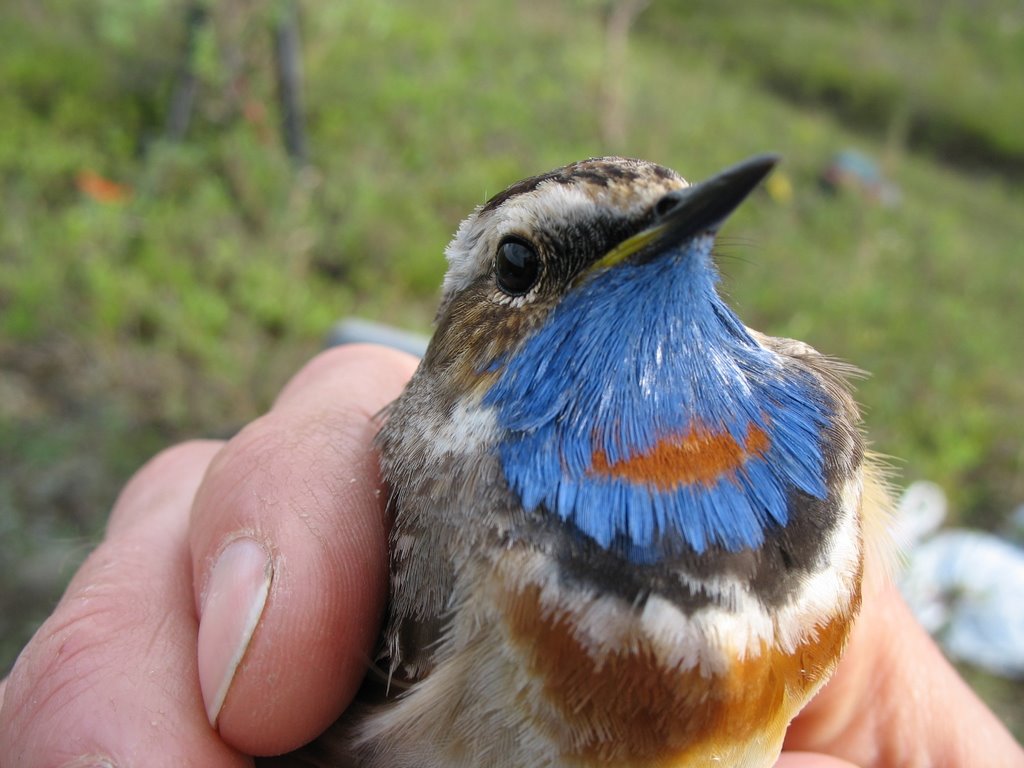


i think this has to be one of the most beautiful birds in all of the world aptly named the bluethroat


the holy grails: vials of fecal samples


sometimes the rigors of the day mandates a visit to aqueous environments to hmmmm errrr... investigate the spatial distrubution of wagtails. conclusion: no birds here, but may need further study.
oops we sometimes forget proper equipment.


now here we find our hero blending into his surroundings. can you pick him out?
our summer line suggests that difficult to capture that derelict look, that's a louis vutton camoflauged burlap soaked in cat urine, with oh yes if you were wondering that is a camo baby onesy on his head.


on my off time all i do is fish and smoke salmon
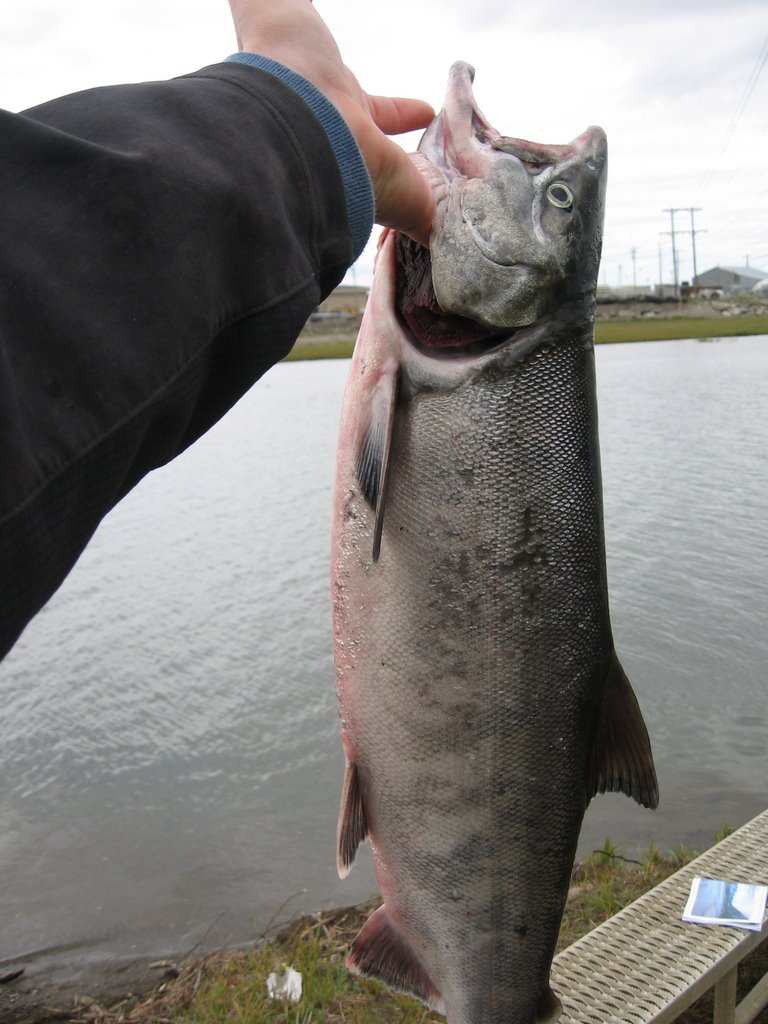


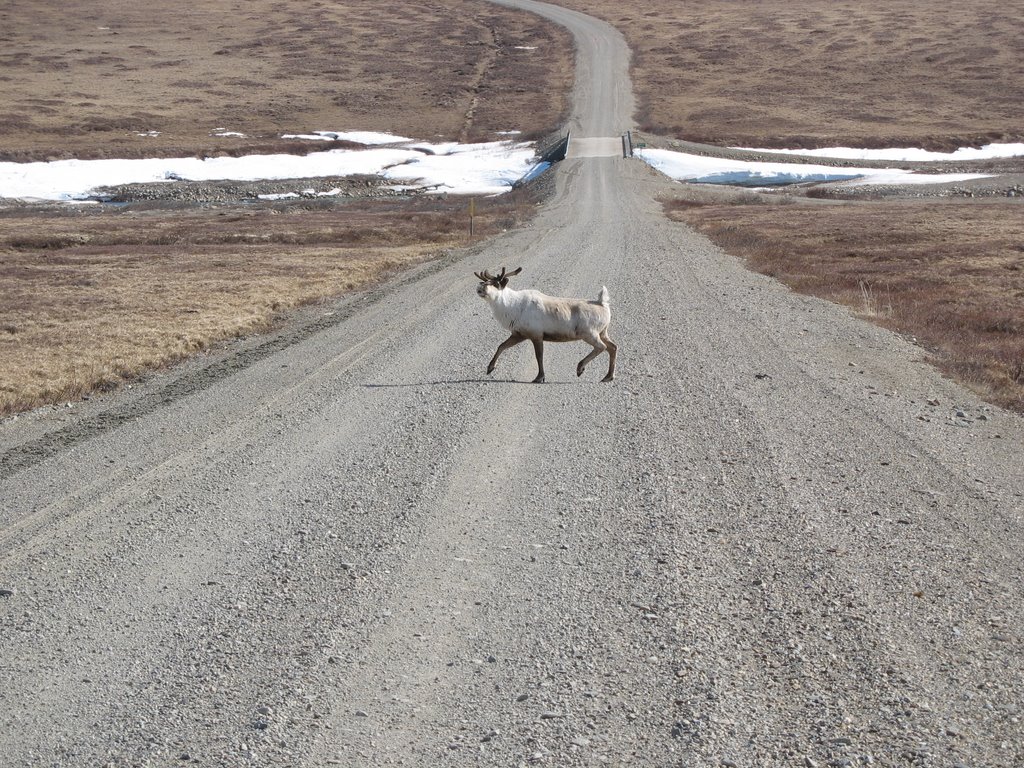
you wouldn't believe the traffic at rush hour
Saturday, July 15, 2006

alaskan crew

heres some crew photos from the season in alaska. our crew divided after training in fairbanks. 2 went to dillingham, 2 to umiat, and 4 to nome.


THE DUDE himself

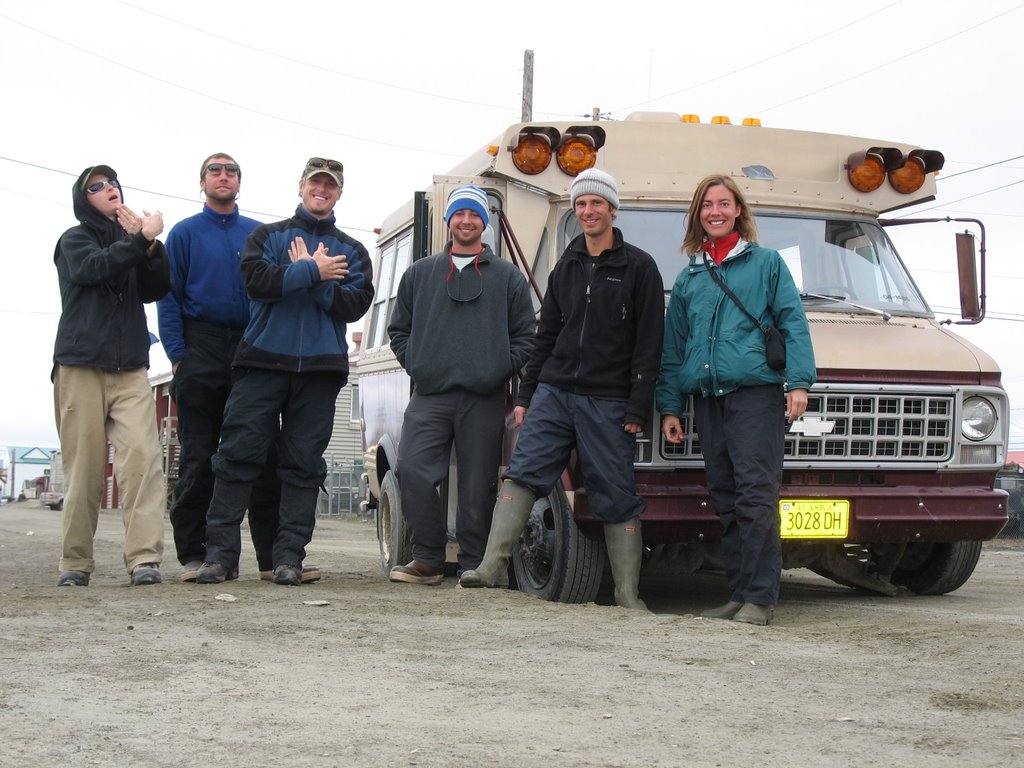
ellen, me, nate, jimmy, ted, melissa after one of our rental vehicles broke down


wow this is my trusty sidekick ted and no he doesnt always look like this


the next photo is not for the faint of heart so consider yourself warned


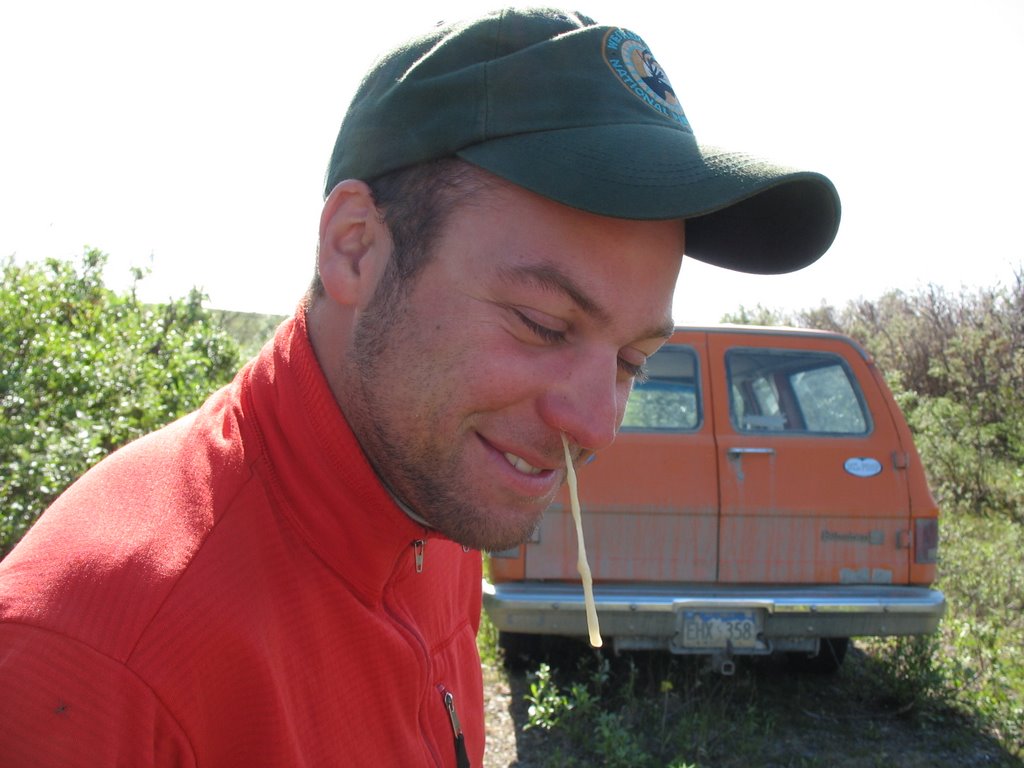
this is the end of a horrible cold i had, hope its not the bird flu

Friday, July 14, 2006

hawai'i

heres some pics from a job on the big island of hawai'i studying palila, a native honeycreeper. we were tranlocating captured birds from the western side of mauna kea (the worlds largest mountain) to the north side. hopefully establishing a second population, ensuring the species' survival in the case of catastrophe. we lived in volcano on the southeastern side of the island outside of hawai'i volcanoes nat'l park.

team palila: top l to r; ian, josh, bobby, emily, me, i forgot, rob bottom l to r; jenn, sara, carter, dre, aran

the male palila in all his splendor


melodie, emily, jenn, becky, bobby, sara, me, carter, aran at the sheraton on the big island

carter and i before a hike to the active pu'u o'o lava cone

cresting the cone, looking back over the kilauea lava field

sunset behind the cinder cones, this is really a once in a lifetime experience. the cone is dormant most of the time but we were lucky to come on a afternoon with favorable winds keeping the noxious gases blowing out to sea and active erupting lava. absolutely amazing, the most intense feeling i can imagine, we couldnt pull ourselves away

carter and i looking tough

the largeousity of the cones, even from there the heat was too intense to keep facing it. the spurting liquid lava falling around us added to the fun, keeping us on our toes

night only added to the intensity

how can you not love that flippin' guy!! aran with an amakihi

Thursday, July 13, 2006

Sara and Me

random pictures of me and sara


cross dressing weirdos


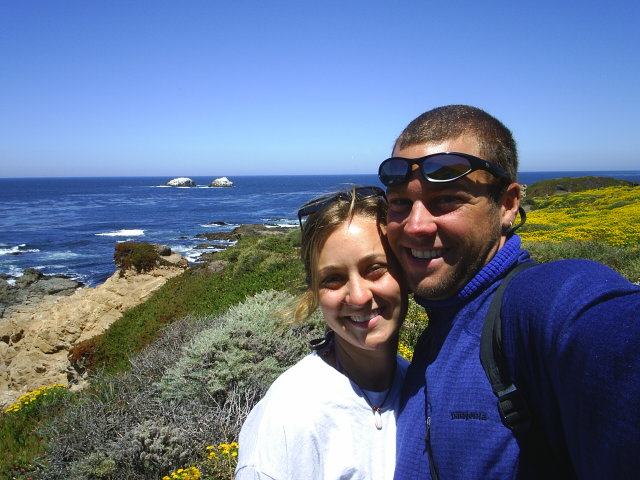
sara and i traveling down the big sur coast, ca

Wednesday, July 12, 2006

venezuelan odyssey

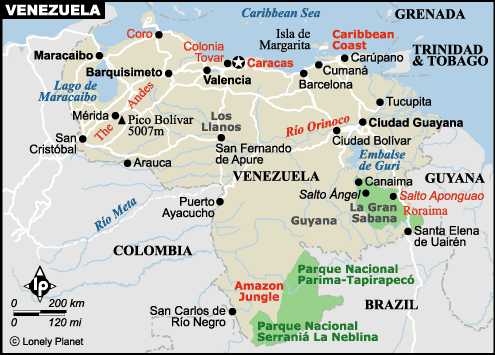
pics from the 2005 field season in northern venezuela studying phylogenetics (whatever that means) of desert birds with adriana rodriguez, a phd candidate from u. of missouri-st louis. the study involved blood and feather sampling different populations of six endemic species to determine if the populations had genetically diverged into subspecies due to spatial separation. we began in the northwest near coro, on the paraguana pennisula, our next site was near barquisimeto. then a couple days off in caracas and on to isla de margarita.


taking blood samples with adriana in the field


during banding in coro we had torrential rains and flooding; 3-4 ft in the streets of adicora. here we are cleaning our nets after they were swept away by floodwaters. the house had a couple inches of water on the floor for the entire week (notice the water seeping through the walls of the house). oh the joy of field work!!!


adriana's little jeep did its best with the conditions, but needed help occasionally.

the amazing troupial, the national bird of venezuela


ooo la la hot stud. drawing blood from a brown headed parrotlet


andrew and the girls; dr. virginia sans, me, and adriana on the ferry back from isla de margarita

at the airport with adriana before my departure

Tuesday, April 18, 2006

yo quiero miami

i spent the spring of 2006 in south florida (miami) with the university of florida-gainesville studying wading bird breeding success and health. the everglades as you may know is a slow moving "river of grass" as Marjory Stoneman Douglas so eloquently put it. this huge living freshwater filter that has been drastically manipulated by agricultural (sugarcane) and developmental interests until it is become an environmental disaster. millions of gallons of freshwater are now diverted to the gulf and the atlantic leaving the "river of grass" a ball field of grass. fortunately the everglades project is now the most well funded wetlands restoration project in the world. this study was an annual index of the nesting success and general population numbers for breeding long legged, wading birds (egrets, storks, herons). days started before sunrise by airboating into huge colonies of birds and walking through on a weekly basis to record how many birds were breeding and how many chicks were fledging (successfully leaving the nest)


pretty drastic difference huh


airboating to the colony; we enter the rookeries early and spend only a hour in each because the intensity of the sun can overheat and kill the chicks if they are directly exposed to the sun without the shade provided by the adults


liz, becky, and john trudging through stinking, chest-high, gator infested swamp water, just another day at the office


standard measurements of bill length helps to determine age and how quickly chicks are growing


using a improvised mirror pole (a bike mirror taped to a telescopic pole) to check high nests for numbers of chick and eggs


using the mirror pole. we wore the blaze orange vest for the extra pockets not for the hunters


kate and liz weighing chicks in pillow cases


you thought i had bad hair!! these two great egret chicks are engaging in siblicide, where the nestlings fight to the death for the food that the parents bring to the nest. before the chicks open their eyes the chicks awkwardly slam their beaks into each others eyes and necks competing for scarce resources. one of the bird worlds common yet less glamorous behaviors.


roseate spoonbill chick with its distinctive pink coloration and rubbery soft bill


wood stork chicks; as they age the bills turn darker


this wasnt exactly sanctioned by work but catching small gators became a favorite pastime


sam with a huge florida red-bellied slider


sara and paul worked on a crew studying snail kites, an endangered raptor that has co-evolved with a certain snail (apple) and relies largely on them for its survival, another species adversely affected by the mismanagement of the everglades.


helping band fledgling snail kites with saras crew


we counted bird populations by aerial surveys in a small plane to get park wide estimates